Lift Emergency Phone Cost in Australia
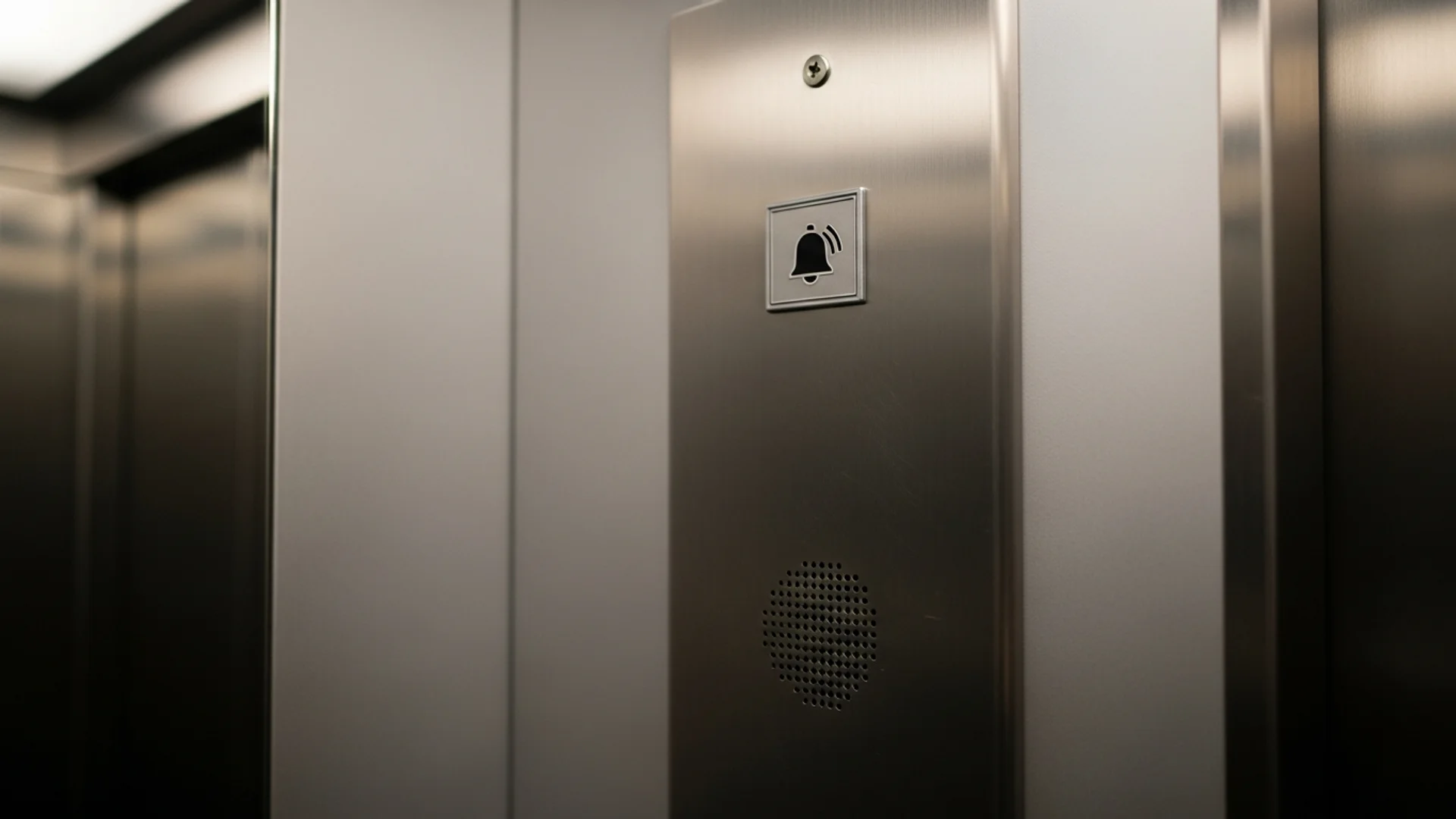
Budget about $700 to $1,600 to supply and install a 4G VoLTE emergency phone per lift, plus $320 to $750 a year for the SIM connection and 24/7 monitoring. Here is how the hardware, the install and the ongoing subscription break down, ex GST.
A lift emergency phone costs roughly $700 to $1,600 to supply and install per lift, then $320 to $750 a year for the SIM connection and 24/7 monitoring, as of Q2 2026. All figures are indicative and ex GST. The one-off and the ongoing costs are separate lines, and most of the confusion in the market comes from suppliers quoting only the per-unit price and leaving the annual monitoring out of the headline number.
If you manage a building, the reason this landed on your desk is the telecommunications change, not a fault. The 3G network has been decommissioned in Australia, so older auto-diallers that relied on 3G — or on the long-retired copper PSTN line — no longer connect. A compliant lift phone now runs over a 4G VoLTE cellular service or a landline SIP connection, and that shift is what forced a wave of replacements.
This page separates the cost into the three parts that actually appear on a quote: the hardware (a 4G VoLTE auto-dialler unit), the installation and commissioning, and the ongoing SIM plus 24/7 monitoring subscription billed each year. It is the cost companion to our detailed guide on lift emergency phone compliance — read that for the obligation itself; read this for what it costs.
Indicative lift emergency phone costs in Australia, ex GST, per lift. The one-off items cover hardware and fitting; the annual items cover the connection and monitoring that keep the phone compliant year to year. Last checked July 2026.
| Scenario | Cost range (AUD, ex GST) | Notes |
|---|---|---|
| 4G VoLTE auto-dialler unit (hardware) | $400–$900 | The in-car emergency phone unit itself — a 4G VoLTE cellular auto-dialler with a call button and speaker. Higher end for units with an integrated antenna, screen or dual-SIM failover. Indicative supplier-stated pricing, ex GST; LiftQuotes collation, July 2026. |
| Installation & commissioning | $300–$700 | Fitting the unit, connecting the antenna, programming the emergency and monitoring numbers, and test-calling the line. Higher where cabling or a roof-mounted antenna is needed. Indicative, ex GST. |
| One-off total per lift (hardware + install) | $700–$1,600 | The combined supply-and-install figure most quotes lead with. A simple swap of an existing unit sits at the lower end; a first-time fit or an awkward antenna run at the higher end. Indicative, ex GST. |
| SIM / connection (per year) | $120–$300 | The cellular SIM plan or SIP line that carries the call. Priced per lift, or sometimes pooled across a building. Indicative, ex GST. |
| 24/7 monitoring subscription (per year) | $200–$450 | A manned monitoring centre that answers the emergency call, plus routine automatic line tests. Indicative, ex GST. |
| Ongoing total per lift (per year) | $320–$750 | Combined annual connection and monitoring per lift. Per-building or multi-lift plans can reduce the per-lift figure. Indicative, ex GST. |
Ranges combine supplier-stated pricing for 4G VoLTE lift auto-diallers and Australian monitoring-service subscription rates collated by LiftQuotes, split into one-off (hardware plus install) and annual (connection plus monitoring) so a quote can be read line by line. Figures are per lift, ex GST, and exclude any structural or cabling works a specific site needs. Multi-lift and per-building plans are usually cheaper per unit — confirm on a site quote.
Last checked: 16 July 2026
Five things move a lift emergency phone quote — and the ongoing monitoring, not the hardware, is where the long-run cost is decided.
Per-lift vs per-building monitoring
Monitoring can be billed per lift or pooled across a building. A single lift is charged as one line. A bank of lifts, or a portfolio across several sites, is often priced as a per-building or fleet plan that lowers the per-lift figure. If you manage more than one lift, ask for the pooled rate rather than accepting a per-unit price multiplied out.
Connection type: 4G VoLTE or landline SIP
Most replacements use a 4G VoLTE cellular SIM because it needs no fixed line and survives a building phone-system change. Where a building already runs a managed SIP or VoIP service, a landline SIP connection can be cheaper to run, but it depends on that service staying compliant and available. The 3G network is gone, so a plain 3G SIM is no longer an option.
New fit or straight swap
Swapping a failed unit for a compatible 4G auto-dialler in the same location is the cheapest install. A first-time fit, or one needing a roof-mounted antenna, extra cabling or a new power supply, sits at the higher end of the installation range. Poor cellular signal in a lift shaft is the usual reason an install costs more than expected.
Monitoring service level
A 24/7 manned monitoring centre that answers the call and dispatches help is the standard, and it is an annual subscription. Automatic line-test frequency, call-recording and reporting can vary between providers and nudge the price. The cheapest option on paper is no external monitoring at all, but that only works if the call routes to a staffed number that is answered at any hour — rarely practical for a strata or commercial building.
Bundling with the maintenance contract
Emergency-phone monitoring is often folded into the lift maintenance contract rather than billed separately. Bundling can simplify compliance and sometimes lowers the combined price, but it can also bury the line so you cannot see what the monitoring alone costs. Ask for it itemised so you can compare it against a standalone monitoring quote.
Lift companies in Australia
Browse profiles, compare service areas, and check reviews.

Lift Shop
★ 5.0 (1551 reviews)
Australia's largest dedicated home lift specialist since 1996. 10,000+ installations. Exclusive Italian-crafted lifts with industry-leading 8-year warranty.
View profile →

Compact Home Lifts
NDIS★ 5.0 (465 reviews)
Melbourne branch of Compact Home Lifts. Compact residential lift specialist providing maintenance and repair services across Victoria.
View profile →

Next Level Elevators
★ 5.0 (454 reviews)
Award-winning provider of premium Italian-designed all-electric home elevators. Certified Eltec Partner. Showrooms in Melbourne, Sydney, and Brisbane.
View profile →

Shotton Lifts
NDIS★ 5.0 (9 reviews)
Family-owned Australian lift manufacturer since 1977. 80+ staff. Design, engineer, manufacture, install and service from Dandenong South VIC. NDIS registered.
View profile →

LiftFit Australia
NDIS★ 5.0 (8 reviews)
Victoria-based NDIS registered lift provider, est. 2011. Partners with Cibes, Savaria, and Kalea. Residential, commercial, and platform lifts.
View profile →

Easy Living Home Elevators
★ 5.0 (7 reviews)
Australia's #1 home elevator supplier since 1998. 100% Australian-owned. 11,000+ elevators in service across 6 states.
View profile →
LiftQuotes is a comparison platform. Companies shown are filtered by relevance to this page. Listing does not imply endorsement. LiftQuotes may receive a referral fee when you request quotes.
How much does a lift emergency phone cost?
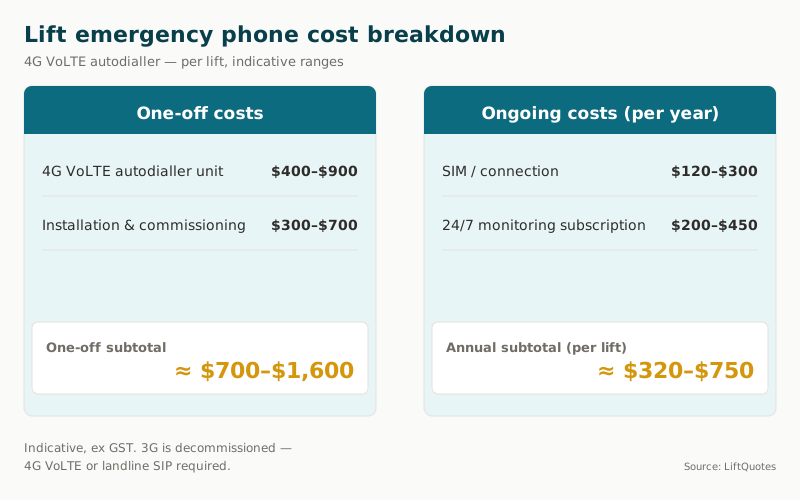
A lift emergency phone costs about $700 to $1,600 to supply and install per lift, plus $320 to $750 a year for the SIM connection and 24/7 monitoring, as of Q2 2026. All figures are indicative and ex GST. The one-off figure is the hardware and the fitting; the annual figure keeps the phone connected and monitored. Reading a quote is far easier once you split it into those three parts, and the breakdown below does exactly that.
The three costs to separate on a quote
Every compliant lift phone has the same three cost components, and a good quote shows all three. The hardware is the 4G VoLTE auto-dialler — the in-car unit with the call button and speaker — at $400 to $900. The installation and commissioning is fitting it, connecting the antenna, programming the numbers and test-calling the line, at $300 to $700. Together those are the one-off spend. The third component, the one that recurs, is the SIM connection and 24/7 monitoring at $320 to $750 a year combined. A supplier that quotes only $900 for a unit has told you about a third of the real cost. The line that catches facility managers out is always the annual monitoring, because it does not appear on the install invoice.
Why the 3G shutdown forced replacements
The reason this became a live cost for so many buildings at once is the network change, not equipment failure. Australia has decommissioned the 3G network, and the copper PSTN line that older lift phones once used was retired before it. Any auto-dialler that still depended on either can no longer place a call, which is a direct compliance problem — a lift emergency phone must be able to reach help at any hour. Replacing it is a maintenance item now, not a one-off migration project. For the obligation itself — who is responsible, how often the line is tested, and what compliant looks like — see our lift emergency phone compliance guide, which this page is the cost companion to. If you are working through a broader compliance review, the facility manager lift compliance checklist sets the emergency phone alongside your other obligations.
Per-lift or per-building: where the ongoing cost is decided
Hardware is a one-off; monitoring is forever, so the ongoing figure is where the long-run cost sits. Monitoring and the SIM can be billed per lift or pooled. One lift is one line. A bank of lifts, or a portfolio across several buildings, is usually cheaper priced as a per-building or fleet plan than as a per-unit rate multiplied out. If you manage more than one lift, that pooled rate is the single biggest lever on the annual bill — ask for it by name. Emergency-phone monitoring is also frequently folded into the lift maintenance cost rather than invoiced on its own, so request it itemised: bundling can lower the combined price, but it can just as easily hide what the monitoring alone costs.
Can I use a landline instead of a 4G phone?
Sometimes. A landline SIP connection — a phone service delivered over the building internet rather than the old copper line — is a valid alternative to a 4G VoLTE SIM where the building already runs a managed, compliant SIP or VoIP service. It can be cheaper to run than a cellular SIM. The catch is dependence: the lift phone is only as reliable as that service, and it must stay available and monitored around the clock. Where there is no managed line, or the shaft has decent cellular signal, a 4G VoLTE SIM is the simpler and more robust choice, which is why it is the default for most replacements. Either way, the annual monitoring cost is the same — the connection type mostly changes the SIM line.
What is not included, and what this means for you
The supply-and-install figure covers the unit and the fitting. It does not automatically cover a roof-mounted antenna or extra cabling where shaft signal is poor, remedial power supply work, or the first year of monitoring if that is quoted separately. For a building with several lifts, the emergency phone is a small line against the whole picture — our guide to strata lift costs puts it in context alongside maintenance and modernisation.
Work out first whether you are swapping one failed unit or fitting out several lifts, because a multi-lift monitoring plan is the biggest saving available. Get the hardware, the install and the annual monitoring quoted as three separate lines, and confirm the connection type and the monitoring service level. All figures here are indicative, ex GST, and last checked in July 2026. Get free quotes from vetted Australian lift and monitoring providers, and compare the annual cost — not just the price of the box.
How we research these costs
Cost figures on this page are indicative, ex GST, per lift, and last checked in July 2026. They split the spend into one-off items (the 4G VoLTE hardware plus installation and commissioning) and annual items (the SIM or SIP connection plus 24/7 monitoring), so a quote can be read line by line. Figures exclude any structural, cabling or antenna works a specific site needs, and multi-lift or per-building plans are usually cheaper per unit than the single-lift rates shown.
Sources: supplier-stated pricing for 4G VoLTE lift auto-diallers and Australian 24/7 monitoring subscription rates collated by LiftQuotes (2026); Standards Australia designations for the lift standards that govern in-car emergency communication; and Safe Work Australia model WHS guidance on lifts as registrable plant for the compliance context. The 3G decommission and PSTN retirement are treated as current settings, not migration tasks.
Last reviewed
16 July 2026
Next review due
16 January 2027
Get quotes tailored to your project
Tell us about your home and receive personalised pricing from local installers.
What are you looking for today?
I need a lift installed
I have a lift that needs attention
Indicative lift emergency phone costs in Australia, ex GST, per lift. The one-off items cover hardware and fitting; the annual items cover the connection and monitoring that keep the phone compliant year to year. Last checked July 2026.
| Scenario | Cost range (AUD, ex GST) | Notes |
|---|---|---|
| 4G VoLTE auto-dialler unit (hardware) | $400–$900 | The in-car emergency phone unit itself — a 4G VoLTE cellular auto-dialler with a call button and speaker. Higher end for units with an integrated antenna, screen or dual-SIM failover. Indicative supplier-stated pricing, ex GST; LiftQuotes collation, July 2026. |
| Installation & commissioning | $300–$700 | Fitting the unit, connecting the antenna, programming the emergency and monitoring numbers, and test-calling the line. Higher where cabling or a roof-mounted antenna is needed. Indicative, ex GST. |
| One-off total per lift (hardware + install) | $700–$1,600 | The combined supply-and-install figure most quotes lead with. A simple swap of an existing unit sits at the lower end; a first-time fit or an awkward antenna run at the higher end. Indicative, ex GST. |
| SIM / connection (per year) | $120–$300 | The cellular SIM plan or SIP line that carries the call. Priced per lift, or sometimes pooled across a building. Indicative, ex GST. |
| 24/7 monitoring subscription (per year) | $200–$450 | A manned monitoring centre that answers the emergency call, plus routine automatic line tests. Indicative, ex GST. |
| Ongoing total per lift (per year) | $320–$750 | Combined annual connection and monitoring per lift. Per-building or multi-lift plans can reduce the per-lift figure. Indicative, ex GST. |
Ranges combine supplier-stated pricing for 4G VoLTE lift auto-diallers and Australian monitoring-service subscription rates collated by LiftQuotes, split into one-off (hardware plus install) and annual (connection plus monitoring) so a quote can be read line by line. Figures are per lift, ex GST, and exclude any structural or cabling works a specific site needs. Multi-lift and per-building plans are usually cheaper per unit — confirm on a site quote.
Last checked: 16 July 2026
Five things move a lift emergency phone quote — and the ongoing monitoring, not the hardware, is where the long-run cost is decided.
Per-lift vs per-building monitoring
Monitoring can be billed per lift or pooled across a building. A single lift is charged as one line. A bank of lifts, or a portfolio across several sites, is often priced as a per-building or fleet plan that lowers the per-lift figure. If you manage more than one lift, ask for the pooled rate rather than accepting a per-unit price multiplied out.
Connection type: 4G VoLTE or landline SIP
Most replacements use a 4G VoLTE cellular SIM because it needs no fixed line and survives a building phone-system change. Where a building already runs a managed SIP or VoIP service, a landline SIP connection can be cheaper to run, but it depends on that service staying compliant and available. The 3G network is gone, so a plain 3G SIM is no longer an option.
New fit or straight swap
Swapping a failed unit for a compatible 4G auto-dialler in the same location is the cheapest install. A first-time fit, or one needing a roof-mounted antenna, extra cabling or a new power supply, sits at the higher end of the installation range. Poor cellular signal in a lift shaft is the usual reason an install costs more than expected.
Monitoring service level
A 24/7 manned monitoring centre that answers the call and dispatches help is the standard, and it is an annual subscription. Automatic line-test frequency, call-recording and reporting can vary between providers and nudge the price. The cheapest option on paper is no external monitoring at all, but that only works if the call routes to a staffed number that is answered at any hour — rarely practical for a strata or commercial building.
Bundling with the maintenance contract
Emergency-phone monitoring is often folded into the lift maintenance contract rather than billed separately. Bundling can simplify compliance and sometimes lowers the combined price, but it can also bury the line so you cannot see what the monitoring alone costs. Ask for it itemised so you can compare it against a standalone monitoring quote.
Lift companies in Australia
Browse profiles, compare service areas, and check reviews.
Lift Shop
★ 5.0 (1551 reviews)
Australia's largest dedicated home lift specialist since 1996. 10,000+ installations. Exclusive Italian-crafted lifts with industry-leading 8-year warranty.
View profile →
Compact Home Lifts
NDIS★ 5.0 (465 reviews)
Melbourne branch of Compact Home Lifts. Compact residential lift specialist providing maintenance and repair services across Victoria.
View profile →
Next Level Elevators
★ 5.0 (454 reviews)
Award-winning provider of premium Italian-designed all-electric home elevators. Certified Eltec Partner. Showrooms in Melbourne, Sydney, and Brisbane.
View profile →
Shotton Lifts
NDIS★ 5.0 (9 reviews)
Family-owned Australian lift manufacturer since 1977. 80+ staff. Design, engineer, manufacture, install and service from Dandenong South VIC. NDIS registered.
View profile →
LiftFit Australia
NDIS★ 5.0 (8 reviews)
Victoria-based NDIS registered lift provider, est. 2011. Partners with Cibes, Savaria, and Kalea. Residential, commercial, and platform lifts.
View profile →
Easy Living Home Elevators
★ 5.0 (7 reviews)
Australia's #1 home elevator supplier since 1998. 100% Australian-owned. 11,000+ elevators in service across 6 states.
View profile →
LiftQuotes is a comparison platform. Companies shown are filtered by relevance to this page. Listing does not imply endorsement. LiftQuotes may receive a referral fee when you request quotes.
How much does a lift emergency phone cost?
A lift emergency phone costs about $700 to $1,600 to supply and install per lift, plus $320 to $750 a year for the SIM connection and 24/7 monitoring, as of Q2 2026. All figures are indicative and ex GST. The one-off figure is the hardware and the fitting; the annual figure keeps the phone connected and monitored. Reading a quote is far easier once you split it into those three parts, and the breakdown below does exactly that.
The three costs to separate on a quote
Every compliant lift phone has the same three cost components, and a good quote shows all three. The hardware is the 4G VoLTE auto-dialler — the in-car unit with the call button and speaker — at $400 to $900. The installation and commissioning is fitting it, connecting the antenna, programming the numbers and test-calling the line, at $300 to $700. Together those are the one-off spend. The third component, the one that recurs, is the SIM connection and 24/7 monitoring at $320 to $750 a year combined. A supplier that quotes only $900 for a unit has told you about a third of the real cost. The line that catches facility managers out is always the annual monitoring, because it does not appear on the install invoice.
Why the 3G shutdown forced replacements
The reason this became a live cost for so many buildings at once is the network change, not equipment failure. Australia has decommissioned the 3G network, and the copper PSTN line that older lift phones once used was retired before it. Any auto-dialler that still depended on either can no longer place a call, which is a direct compliance problem — a lift emergency phone must be able to reach help at any hour. Replacing it is a maintenance item now, not a one-off migration project. For the obligation itself — who is responsible, how often the line is tested, and what compliant looks like — see our lift emergency phone compliance guide, which this page is the cost companion to. If you are working through a broader compliance review, the facility manager lift compliance checklist sets the emergency phone alongside your other obligations.
Per-lift or per-building: where the ongoing cost is decided
Hardware is a one-off; monitoring is forever, so the ongoing figure is where the long-run cost sits. Monitoring and the SIM can be billed per lift or pooled. One lift is one line. A bank of lifts, or a portfolio across several buildings, is usually cheaper priced as a per-building or fleet plan than as a per-unit rate multiplied out. If you manage more than one lift, that pooled rate is the single biggest lever on the annual bill — ask for it by name. Emergency-phone monitoring is also frequently folded into the lift maintenance cost rather than invoiced on its own, so request it itemised: bundling can lower the combined price, but it can just as easily hide what the monitoring alone costs.
Can I use a landline instead of a 4G phone?
Sometimes. A landline SIP connection — a phone service delivered over the building internet rather than the old copper line — is a valid alternative to a 4G VoLTE SIM where the building already runs a managed, compliant SIP or VoIP service. It can be cheaper to run than a cellular SIM. The catch is dependence: the lift phone is only as reliable as that service, and it must stay available and monitored around the clock. Where there is no managed line, or the shaft has decent cellular signal, a 4G VoLTE SIM is the simpler and more robust choice, which is why it is the default for most replacements. Either way, the annual monitoring cost is the same — the connection type mostly changes the SIM line.
What is not included, and what this means for you
The supply-and-install figure covers the unit and the fitting. It does not automatically cover a roof-mounted antenna or extra cabling where shaft signal is poor, remedial power supply work, or the first year of monitoring if that is quoted separately. For a building with several lifts, the emergency phone is a small line against the whole picture — our guide to strata lift costs puts it in context alongside maintenance and modernisation.
Work out first whether you are swapping one failed unit or fitting out several lifts, because a multi-lift monitoring plan is the biggest saving available. Get the hardware, the install and the annual monitoring quoted as three separate lines, and confirm the connection type and the monitoring service level. All figures here are indicative, ex GST, and last checked in July 2026. Get free quotes from vetted Australian lift and monitoring providers, and compare the annual cost — not just the price of the box.
How we research these costs
Cost figures on this page are indicative, ex GST, per lift, and last checked in July 2026. They split the spend into one-off items (the 4G VoLTE hardware plus installation and commissioning) and annual items (the SIM or SIP connection plus 24/7 monitoring), so a quote can be read line by line. Figures exclude any structural, cabling or antenna works a specific site needs, and multi-lift or per-building plans are usually cheaper per unit than the single-lift rates shown.
Sources: supplier-stated pricing for 4G VoLTE lift auto-diallers and Australian 24/7 monitoring subscription rates collated by LiftQuotes (2026); Standards Australia designations for the lift standards that govern in-car emergency communication; and Safe Work Australia model WHS guidance on lifts as registrable plant for the compliance context. The 3G decommission and PSTN retirement are treated as current settings, not migration tasks.
Last reviewed
16 July 2026
Next review due
16 January 2027
Get quotes tailored to your project
Tell us about your home and receive personalised pricing from local installers.
What are you looking for today?
I need a lift installed
I have a lift that needs attention
Common questions about lift emergency phone costs
A lift emergency phone costs about $700 to $1,600 to supply and install per lift, plus $320 to $750 a year for the SIM connection and 24/7 monitoring, as of Q2 2026. The one-off figure covers a 4G VoLTE auto-dialler unit ($400–$900) and the installation ($300–$700); the annual figure covers the connection and manned monitoring. All figures are indicative and ex GST.
Related guides
Guide
Our Editorial Methodology: How LiftQuotes Researches Content
How LiftQuotes researches, sources and reviews every lift guide and cost page: the standards we cite, our linked-source rule for cost data, and how often we update.
Guide
Lift Compliance Checklist for Facility Managers (Australia)
A facility manager's lift compliance checklist for Australia: plant registration, inspection, log books, 4G VoLTE emergency phones and DDA access duties.
Comparison
Stairlift vs Platform Lift: Which Access Solution Fits?
A stairlift carries a seated user along the stairs from about $3,000; a platform lift raises a wheelchair vertically from about $15,000. Compare cost, access and fit.
Location
Lift Companies in Melbourne: Compare Local Installers
Compare lift companies in Melbourne for home, platform and commercial lifts. WorkSafe Victoria compliance, local installer coverage and indicative VIC costs.
Compare lift emergency phone quotes
Get free, no-obligation quotes from vetted Australian lift and monitoring providers — and compare the annual connection and monitoring cost, not just the price of the unit.
Join 1,000+ Australians who've requested quotes through LiftQuotes
Get free quotes