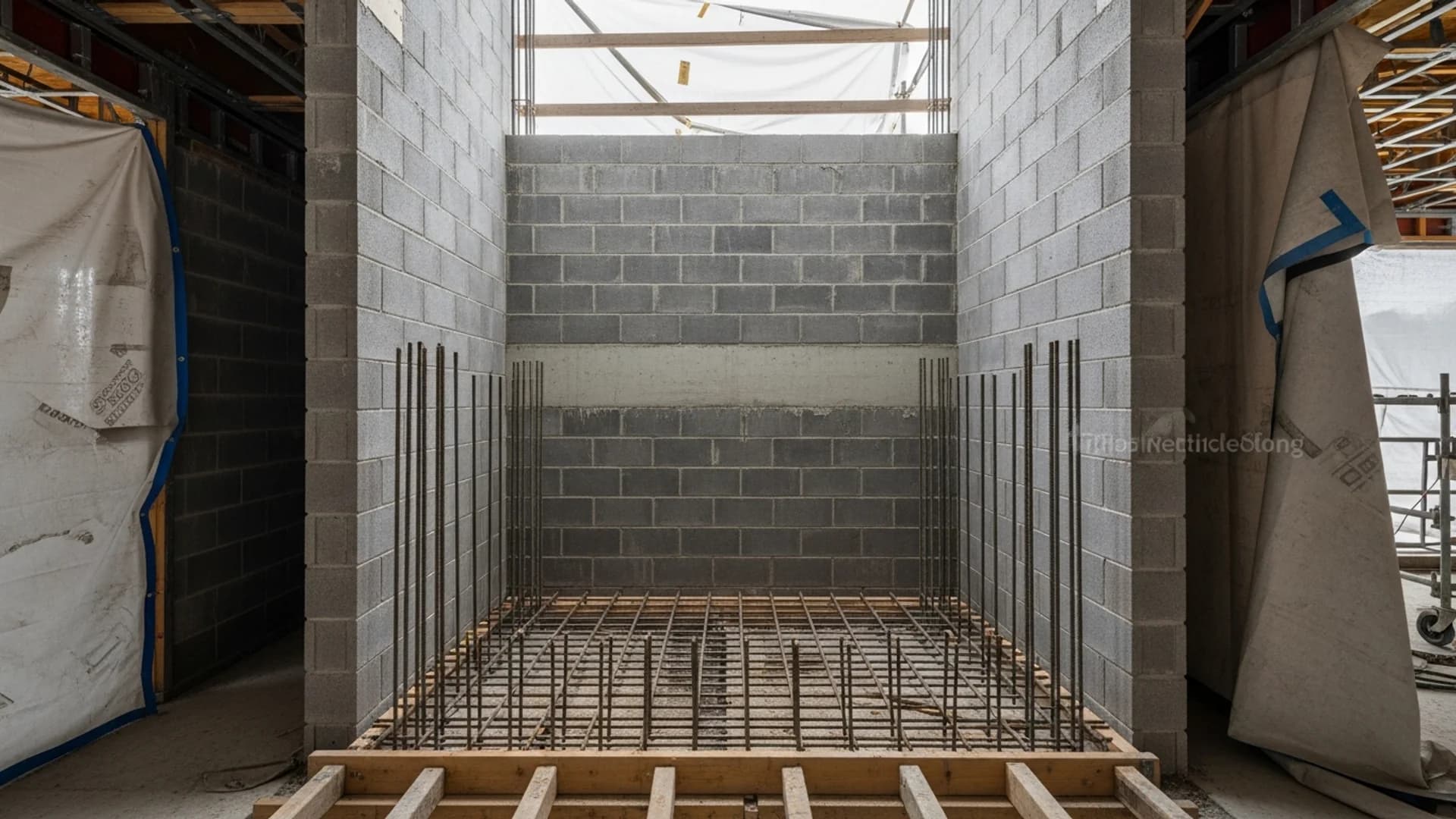
Lift Shaft Construction Cost in Australia
Building a lift shaft costs roughly $6,000 to $45,000 for a 2-level home, depending on construction type — or nothing at all if you choose a self-supporting lift that needs no separate shaft. Here is the 2026 breakdown, ex GST.
Building a lift shaft in Australia costs roughly $6,000 to $45,000 for a standard 2-level home as of Q2 2026 — and here is the part most buyers miss: the shaft is almost always builder's works, quoted and built separately from the lift itself. The price you see from a lift supplier is usually for the lift equipment. The hoistway it runs inside is a construction job that lands on your builder's account.
That separation is where budgets blow out. A homeowner comparing lift supply prices can be $20,000 short before a single block is laid. The construction method drives the number: a timber-framed and clad shaft is the cheapest permanent option, blockwork sits in the middle, and an engineered steel-and-glass shaft is dearest.
There is one way to sidestep the shaft cost entirely. A self-supporting lift carries its own structure, so it needs no separate hoistway — the biggest single saving available on a home lift project. This page breaks down each shaft type with indicative 2026 ranges, ex GST, then covers the pit, the number of levels, and exactly who is responsible for what.
Indicative Australian lift shaft construction costs for a standard 2-level home, ex GST. These are builder's works figures — the hoistway only, separate from the lift equipment. Ranges scale up with additional levels. Last checked July 2026.
| Scenario | Cost range (AUD, ex GST) | Notes |
|---|---|---|
| Self-supporting / shaftless lift (no separate shaft) | $0–$0 | A self-supporting lift includes its own structural frame, so there is no separate shaft to build — the biggest cost-saver on a home lift project. The structure is part of the lift supply price rather than builder's works. Indicative, ex GST. |
| Timber-framed & clad shaft (2 levels) | $6,000–$15,000 | A lightweight framed hoistway lined with fire-rated plasterboard or cladding, built by the builder. Common in new builds and for lighter platform lifts. Indicative builder's works collated by LiftQuotes, July 2026, ex GST. |
| Masonry / blockwork shaft (2 levels) | $12,000–$30,000 | A rendered blockwork or brick hoistway — the usual choice for a permanent home lift. Cost rises with travel height, a below-ground pit, and difficult site access. Indicative, ex GST. |
| Structural steel + glass shaft (2 levels) | $18,000–$45,000 | An engineered steel frame with glazed infill, typically for a feature lift or an external installation. Requires structural engineering and certification, which lift the price. Indicative, ex GST. |
Ranges combine builder's works and supplier-stated pricing collated by LiftQuotes, cross-checked against published residential construction cost guides. Figures are for the shaft (hoistway) only on a standard 2-level home and exclude the lift equipment, significant excavation, and site-specific structural engineering, which are called out separately. Verify against site-specific quotes.
Last checked: 14 July 2026
Four things move a shaft budget more than anything else — and the choice of construction method sits at the top.
Construction method
The single biggest driver. A timber-framed and clad shaft ($6,000–$15,000 for 2 levels) is the cheapest permanent option and suits new builds. Rendered blockwork ($12,000–$30,000) is the common permanent choice. An engineered steel-and-glass shaft ($18,000–$45,000) is the most expensive because it needs structural engineering and certified glazing. Choosing a self-supporting lift removes this cost entirely.
Number of levels and travel height
Shaft cost is broadly per level, so a 3-stop home lift shaft costs materially more than a 2-stop one. Taller travel also means more blockwork or steel, more scaffolding, and — past certain heights — additional structural bracing. Budget on a per-level basis and confirm the height triggers with your builder before you lock in a design.
Pit and headroom
Most home lift shafts need a pit below the lowest floor and clear headroom above the top floor. A shallow pit dug into a new slab is cheap; excavating a pit into an existing ground floor — especially with a high water table — adds cost for digging, shoring and waterproofing. Some low-pit and self-supporting lifts cut this work right down, which is why pit depth is worth confirming early.
Who builds it: builder versus lift company
The responsibility split is the source of most nasty surprises. The lift company supplies and installs the lift equipment; your builder constructs the shaft, pours the pit, and forms the floor openings to the lift company's drawings. A few suppliers offer a self-supporting lift that bundles the structure in. Always get the builder's works quoted as a separate, itemised line so you can see the true all-in cost.
Lift companies in Australia
Browse profiles, compare service areas, and check reviews.

Lift Shop
★ 5.0 (1551 reviews)
Australia's largest dedicated home lift specialist since 1996. 10,000+ installations. Exclusive Italian-crafted lifts with industry-leading 8-year warranty.
View profile →

Compact Home Lifts
NDIS★ 5.0 (465 reviews)
Melbourne branch of Compact Home Lifts. Compact residential lift specialist providing maintenance and repair services across Victoria.
View profile →

Next Level Elevators
★ 5.0 (454 reviews)
Award-winning provider of premium Italian-designed all-electric home elevators. Certified Eltec Partner. Showrooms in Melbourne, Sydney, and Brisbane.
View profile →

Shotton Lifts
NDIS★ 5.0 (9 reviews)
Family-owned Australian lift manufacturer since 1977. 80+ staff. Design, engineer, manufacture, install and service from Dandenong South VIC. NDIS registered.
View profile →

LiftFit Australia
NDIS★ 5.0 (8 reviews)
Victoria-based NDIS registered lift provider, est. 2011. Partners with Cibes, Savaria, and Kalea. Residential, commercial, and platform lifts.
View profile →

Easy Living Home Elevators
★ 5.0 (7 reviews)
Australia's #1 home elevator supplier since 1998. 100% Australian-owned. 11,000+ elevators in service across 6 states.
View profile →
LiftQuotes is a comparison platform. Companies shown are filtered by relevance to this page. Listing does not imply endorsement. LiftQuotes may receive a referral fee when you request quotes.
How much does it cost to build a lift shaft?
Building a lift shaft costs roughly $6,000 to $45,000 for a standard 2-level home in Australia as of Q2 2026, depending on the construction method. That figure is for the hoistway only — the structural enclosure the lift runs inside — and it is separate from the price of the lift equipment. The chart below sets out the four options, from the self-supporting lift that needs no shaft at all through to an engineered steel-and-glass hoistway.
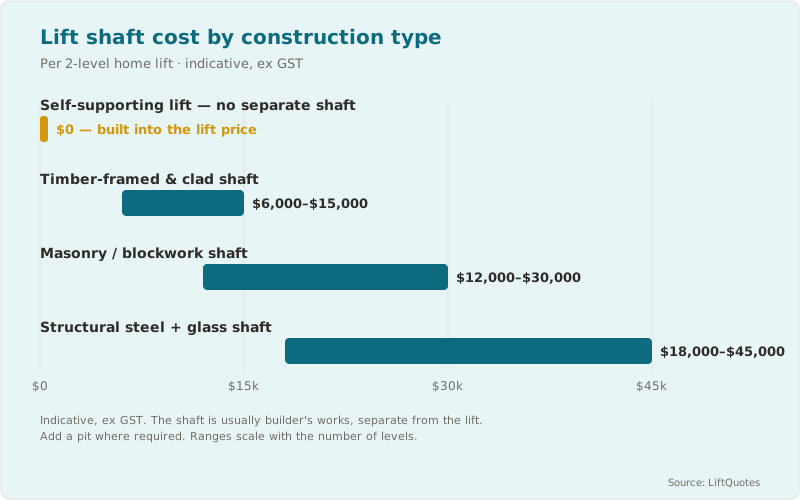
The reason the range is so wide is that a shaft is a construction job, not a product. A timber-framed and clad hoistway is quick to build and suits a new build. Rendered blockwork is the permanent middle ground most homeowners land on. An engineered steel frame with glazed sides — the feature lifts you see in architectural homes — needs structural engineering and certified glazing, which is why it sits at the top of the range.
Is the shaft included in the lift price?
Usually not. This is the most important thing to understand before you compare quotes. A lift supplier's price covers the lift equipment — the car, drive, rails, doors and controls. The shaft it runs inside is builder's works, constructed by your builder to the lift company's drawings and quoted separately. A buyer comparing headline lift prices alone can be $12,000 to $30,000 short once the blockwork shaft is added.
Because the shaft is a hidden line item, it belongs in your total from day one. Our home lift cost guide sets out the full installed budget — lift equipment, shaft, and building works together — so you can see where the shaft sits in the wider project. If you are still working out how much room the shaft needs, the home lift space requirements guide covers footprint, pit and headroom.
Shaft types and what they cost
A timber-framed and clad shaft ($6,000–$15,000 for 2 levels) is a lightweight framed enclosure lined with fire-rated board. It is the cheapest permanent option and works well in new builds and for lighter platform lifts. A masonry or blockwork shaft ($12,000–$30,000) is rendered block or brick — the durable, permanent choice most home lift buyers select. A structural steel and glass shaft ($18,000–$45,000) is an engineered frame with glazed infill, chosen for feature lifts and external installations; it carries the added cost of structural engineering and certification.
Each of these is broadly priced per level, so a 3-stop lift shaft costs more than the 2-level figures above. Site access, a below-ground pit, and a high water table all push the number up.
The self-supporting lift: no shaft at all
The biggest cost-saver on a home lift project is avoiding the shaft entirely. A self-supporting lift carries its own structural frame, so it needs no separate hoistway — the structure is bundled into the lift supply price rather than added as builder's works. For a retrofit into an existing home, where cutting a masonry shaft and digging a pit is disruptive and expensive, this can save $12,000 to $30,000 and weeks of construction. These compact, structure-included units are covered in our small lifts for homes guide, which is the place to start if minimising building works is your priority.
What is not included in a shaft quote
A shaft price is the enclosure and its immediate structure. It rarely includes deep excavation for a pit in an existing slab, a three-phase power upgrade, the lift equipment itself, or architectural finishes to the shaft exterior. GST is on top of every figure on this page. The floor openings, fire-rating and waterproofing are usually in the builder's scope but should be confirmed line by line. For how the shaft fits into the wider installation sequence, see the home lift installation guide.
What this means for your budget
Budget the shaft as a separate line, not an afterthought. For a permanent 2-level home lift, allow $12,000 to $30,000 for a blockwork shaft on top of the lift equipment. If building works are your main concern, price a self-supporting lift that removes the shaft cost altogether, and get the builder's works itemised in writing so nothing hides in the gap between the lift company and the builder.
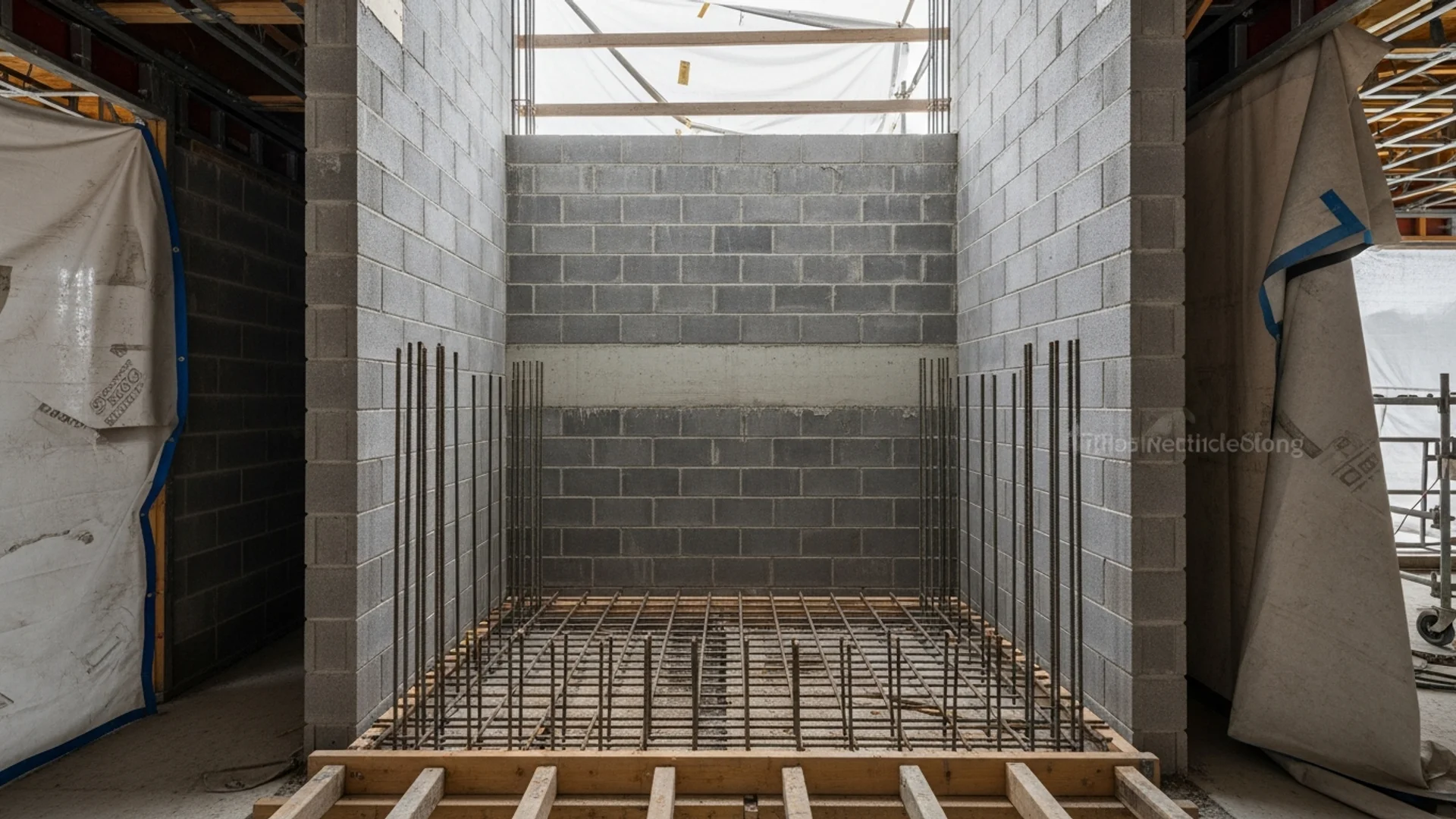
The shaft is the cost most home lift buyers underestimate, and it varies too much between sites to price from a table alone. Get free quotes from vetted Australian lift companies and builders to compare the lift equipment and the shaft construction side by side before you commit.
How we research these costs
Cost figures on this page are indicative ranges, ex GST, last checked in July 2026. They cover the lift shaft (hoistway) only for a standard 2-level home and exclude the lift equipment, deep excavation, and site-specific structural engineering, which are noted separately. Because a shaft is builder's works quoted case-by-case rather than a catalogue product, treat every figure as a planning range and confirm against site-specific quotes from your builder and lift supplier.
Sources: builder's works and supplier-stated pricing collated by LiftQuotes (2026); published residential construction cost-guide data for cross-checking; Standards Australia AS/NZS 1735.18:2002 designation for the private-residence lift context that governs shaft and pit requirements; Safe Work Australia model WHS guidance on registrable plant for the compliance context. Figures exclude the lift equipment, major excavation and finishes.
Last reviewed
14 July 2026
Next review due
14 January 2027
Get quotes tailored to your project
Tell us about your home and receive personalised pricing from local installers.
What are you looking for today?
I need a lift installed
I have a lift that needs attention
Indicative Australian lift shaft construction costs for a standard 2-level home, ex GST. These are builder's works figures — the hoistway only, separate from the lift equipment. Ranges scale up with additional levels. Last checked July 2026.
| Scenario | Cost range (AUD, ex GST) | Notes |
|---|---|---|
| Self-supporting / shaftless lift (no separate shaft) | $0–$0 | A self-supporting lift includes its own structural frame, so there is no separate shaft to build — the biggest cost-saver on a home lift project. The structure is part of the lift supply price rather than builder's works. Indicative, ex GST. |
| Timber-framed & clad shaft (2 levels) | $6,000–$15,000 | A lightweight framed hoistway lined with fire-rated plasterboard or cladding, built by the builder. Common in new builds and for lighter platform lifts. Indicative builder's works collated by LiftQuotes, July 2026, ex GST. |
| Masonry / blockwork shaft (2 levels) | $12,000–$30,000 | A rendered blockwork or brick hoistway — the usual choice for a permanent home lift. Cost rises with travel height, a below-ground pit, and difficult site access. Indicative, ex GST. |
| Structural steel + glass shaft (2 levels) | $18,000–$45,000 | An engineered steel frame with glazed infill, typically for a feature lift or an external installation. Requires structural engineering and certification, which lift the price. Indicative, ex GST. |
Ranges combine builder's works and supplier-stated pricing collated by LiftQuotes, cross-checked against published residential construction cost guides. Figures are for the shaft (hoistway) only on a standard 2-level home and exclude the lift equipment, significant excavation, and site-specific structural engineering, which are called out separately. Verify against site-specific quotes.
Last checked: 14 July 2026
Four things move a shaft budget more than anything else — and the choice of construction method sits at the top.
Construction method
The single biggest driver. A timber-framed and clad shaft ($6,000–$15,000 for 2 levels) is the cheapest permanent option and suits new builds. Rendered blockwork ($12,000–$30,000) is the common permanent choice. An engineered steel-and-glass shaft ($18,000–$45,000) is the most expensive because it needs structural engineering and certified glazing. Choosing a self-supporting lift removes this cost entirely.
Number of levels and travel height
Shaft cost is broadly per level, so a 3-stop home lift shaft costs materially more than a 2-stop one. Taller travel also means more blockwork or steel, more scaffolding, and — past certain heights — additional structural bracing. Budget on a per-level basis and confirm the height triggers with your builder before you lock in a design.
Pit and headroom
Most home lift shafts need a pit below the lowest floor and clear headroom above the top floor. A shallow pit dug into a new slab is cheap; excavating a pit into an existing ground floor — especially with a high water table — adds cost for digging, shoring and waterproofing. Some low-pit and self-supporting lifts cut this work right down, which is why pit depth is worth confirming early.
Who builds it: builder versus lift company
The responsibility split is the source of most nasty surprises. The lift company supplies and installs the lift equipment; your builder constructs the shaft, pours the pit, and forms the floor openings to the lift company's drawings. A few suppliers offer a self-supporting lift that bundles the structure in. Always get the builder's works quoted as a separate, itemised line so you can see the true all-in cost.
Lift companies in Australia
Browse profiles, compare service areas, and check reviews.
Lift Shop
★ 5.0 (1551 reviews)
Australia's largest dedicated home lift specialist since 1996. 10,000+ installations. Exclusive Italian-crafted lifts with industry-leading 8-year warranty.
View profile →
Compact Home Lifts
NDIS★ 5.0 (465 reviews)
Melbourne branch of Compact Home Lifts. Compact residential lift specialist providing maintenance and repair services across Victoria.
View profile →
Next Level Elevators
★ 5.0 (454 reviews)
Award-winning provider of premium Italian-designed all-electric home elevators. Certified Eltec Partner. Showrooms in Melbourne, Sydney, and Brisbane.
View profile →
Shotton Lifts
NDIS★ 5.0 (9 reviews)
Family-owned Australian lift manufacturer since 1977. 80+ staff. Design, engineer, manufacture, install and service from Dandenong South VIC. NDIS registered.
View profile →
LiftFit Australia
NDIS★ 5.0 (8 reviews)
Victoria-based NDIS registered lift provider, est. 2011. Partners with Cibes, Savaria, and Kalea. Residential, commercial, and platform lifts.
View profile →
Easy Living Home Elevators
★ 5.0 (7 reviews)
Australia's #1 home elevator supplier since 1998. 100% Australian-owned. 11,000+ elevators in service across 6 states.
View profile →
LiftQuotes is a comparison platform. Companies shown are filtered by relevance to this page. Listing does not imply endorsement. LiftQuotes may receive a referral fee when you request quotes.
How much does it cost to build a lift shaft?
Building a lift shaft costs roughly $6,000 to $45,000 for a standard 2-level home in Australia as of Q2 2026, depending on the construction method. That figure is for the hoistway only — the structural enclosure the lift runs inside — and it is separate from the price of the lift equipment. The chart below sets out the four options, from the self-supporting lift that needs no shaft at all through to an engineered steel-and-glass hoistway.
The reason the range is so wide is that a shaft is a construction job, not a product. A timber-framed and clad hoistway is quick to build and suits a new build. Rendered blockwork is the permanent middle ground most homeowners land on. An engineered steel frame with glazed sides — the feature lifts you see in architectural homes — needs structural engineering and certified glazing, which is why it sits at the top of the range.
Is the shaft included in the lift price?
Usually not. This is the most important thing to understand before you compare quotes. A lift supplier's price covers the lift equipment — the car, drive, rails, doors and controls. The shaft it runs inside is builder's works, constructed by your builder to the lift company's drawings and quoted separately. A buyer comparing headline lift prices alone can be $12,000 to $30,000 short once the blockwork shaft is added.
Because the shaft is a hidden line item, it belongs in your total from day one. Our home lift cost guide sets out the full installed budget — lift equipment, shaft, and building works together — so you can see where the shaft sits in the wider project. If you are still working out how much room the shaft needs, the home lift space requirements guide covers footprint, pit and headroom.
Shaft types and what they cost
A timber-framed and clad shaft ($6,000–$15,000 for 2 levels) is a lightweight framed enclosure lined with fire-rated board. It is the cheapest permanent option and works well in new builds and for lighter platform lifts. A masonry or blockwork shaft ($12,000–$30,000) is rendered block or brick — the durable, permanent choice most home lift buyers select. A structural steel and glass shaft ($18,000–$45,000) is an engineered frame with glazed infill, chosen for feature lifts and external installations; it carries the added cost of structural engineering and certification.
Each of these is broadly priced per level, so a 3-stop lift shaft costs more than the 2-level figures above. Site access, a below-ground pit, and a high water table all push the number up.
The self-supporting lift: no shaft at all
The biggest cost-saver on a home lift project is avoiding the shaft entirely. A self-supporting lift carries its own structural frame, so it needs no separate hoistway — the structure is bundled into the lift supply price rather than added as builder's works. For a retrofit into an existing home, where cutting a masonry shaft and digging a pit is disruptive and expensive, this can save $12,000 to $30,000 and weeks of construction. These compact, structure-included units are covered in our small lifts for homes guide, which is the place to start if minimising building works is your priority.
What is not included in a shaft quote
A shaft price is the enclosure and its immediate structure. It rarely includes deep excavation for a pit in an existing slab, a three-phase power upgrade, the lift equipment itself, or architectural finishes to the shaft exterior. GST is on top of every figure on this page. The floor openings, fire-rating and waterproofing are usually in the builder's scope but should be confirmed line by line. For how the shaft fits into the wider installation sequence, see the home lift installation guide.
What this means for your budget
Budget the shaft as a separate line, not an afterthought. For a permanent 2-level home lift, allow $12,000 to $30,000 for a blockwork shaft on top of the lift equipment. If building works are your main concern, price a self-supporting lift that removes the shaft cost altogether, and get the builder's works itemised in writing so nothing hides in the gap between the lift company and the builder.
The shaft is the cost most home lift buyers underestimate, and it varies too much between sites to price from a table alone. Get free quotes from vetted Australian lift companies and builders to compare the lift equipment and the shaft construction side by side before you commit.
How we research these costs
Cost figures on this page are indicative ranges, ex GST, last checked in July 2026. They cover the lift shaft (hoistway) only for a standard 2-level home and exclude the lift equipment, deep excavation, and site-specific structural engineering, which are noted separately. Because a shaft is builder's works quoted case-by-case rather than a catalogue product, treat every figure as a planning range and confirm against site-specific quotes from your builder and lift supplier.
Sources: builder's works and supplier-stated pricing collated by LiftQuotes (2026); published residential construction cost-guide data for cross-checking; Standards Australia AS/NZS 1735.18:2002 designation for the private-residence lift context that governs shaft and pit requirements; Safe Work Australia model WHS guidance on registrable plant for the compliance context. Figures exclude the lift equipment, major excavation and finishes.
Last reviewed
14 July 2026
Next review due
14 January 2027
Get quotes tailored to your project
Tell us about your home and receive personalised pricing from local installers.
What are you looking for today?
I need a lift installed
I have a lift that needs attention
Common questions about lift shaft costs
Building a lift shaft costs roughly $6,000 to $45,000 for a standard 2-level home in Australia as of Q2 2026, depending on construction type. A timber-framed and clad shaft runs $6,000–$15,000, blockwork $12,000–$30,000, and an engineered steel-and-glass shaft $18,000–$45,000. All figures are indicative, ex GST, and cover the hoistway only — not the lift equipment.
Related guides
Guide
Our Editorial Methodology: How LiftQuotes Researches Content
How LiftQuotes researches, sources and reviews every lift guide and cost page: the standards we cite, our linked-source rule for cost data, and how often we update.
Guide
Lift Compliance Checklist for Facility Managers (Australia)
A facility manager's lift compliance checklist for Australia: plant registration, inspection, log books, 4G VoLTE emergency phones and DDA access duties.
Comparison
Stairlift vs Platform Lift: Which Access Solution Fits?
A stairlift carries a seated user along the stairs from about $3,000; a platform lift raises a wheelchair vertically from about $15,000. Compare cost, access and fit.
Location
Lift Companies in Melbourne: Compare Local Installers
Compare lift companies in Melbourne for home, platform and commercial lifts. WorkSafe Victoria compliance, local installer coverage and indicative VIC costs.
Compare lift shaft and lift quotes
Get free, no-obligation quotes from vetted Australian lift companies and builders — and compare the lift equipment and the shaft construction separately, so the hidden building works never surprise you.
Join 1,000+ Australians who've requested quotes through LiftQuotes
Get free quotes